Trending

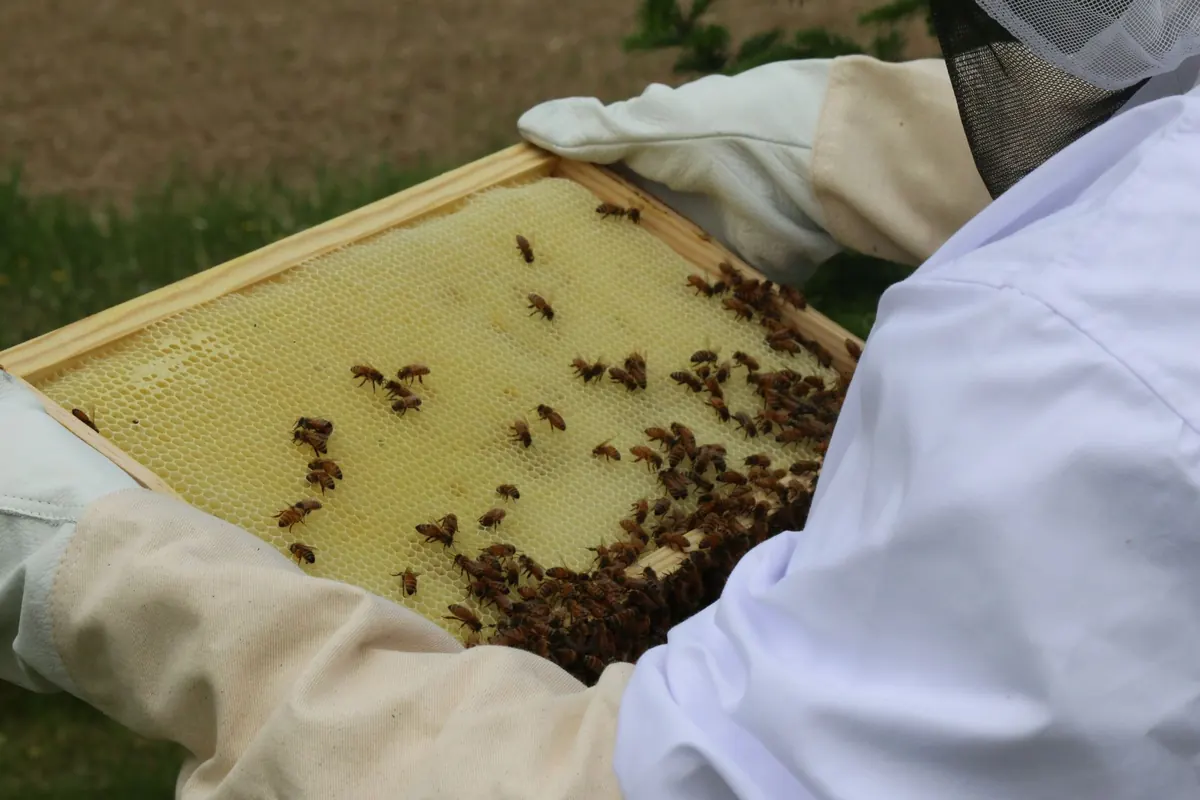
Beekeeping in Scotland is not simply beekeeping somewhere colder. The season starts later, the weather changes its mind without warning, and a colony that looks magnificent in July can be a small, damp cluster by November. Most beginner mistakes here come down to the same handful of habits — and nearly all of them are fixable once you know what you are looking at.
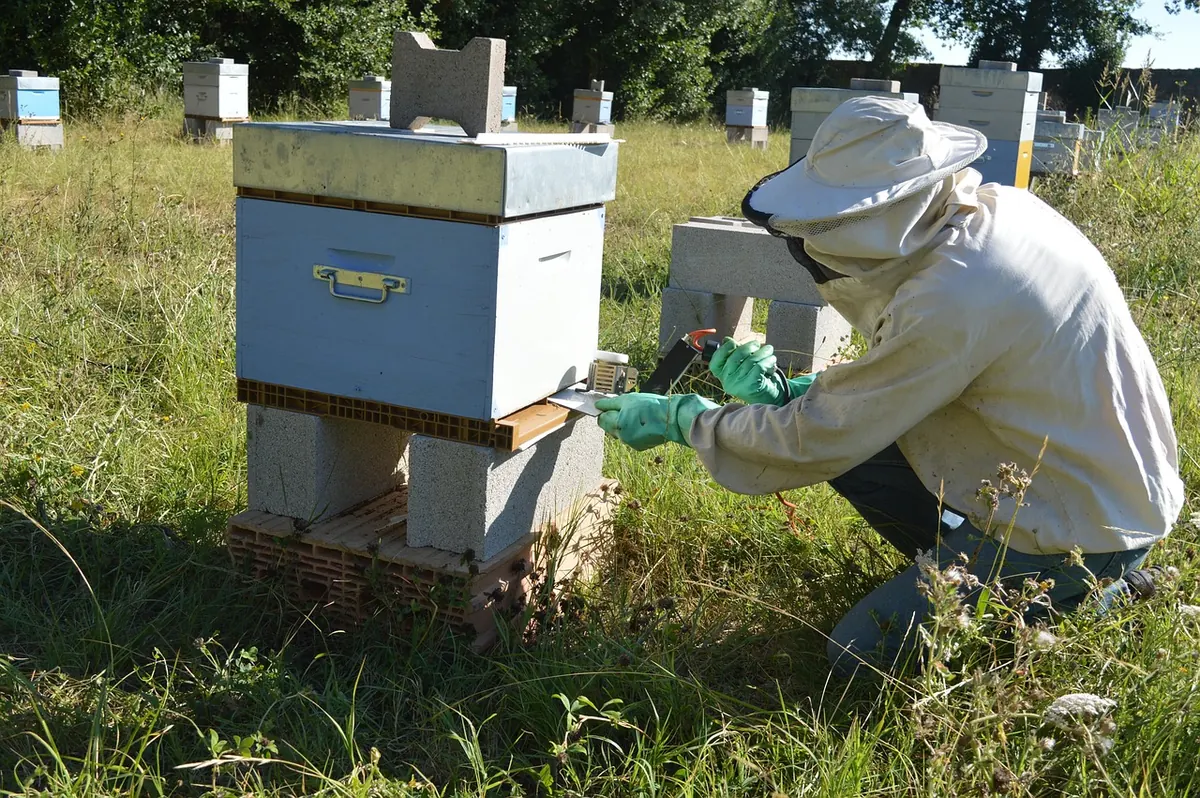
New beekeepers tend to inspect the way they would check on a new puppy: daily, with the lid off for half an hour. Every inspection costs the colony heat, disturbs the queen's laying and opens a door for robbers. In a Scottish spring, that matters more than it would in Kent.
Aim for one proper inspection every seven to ten days once the colony is building, keep it to around ten minutes, and work from the outside in so you are not hauling frames about for no reason. You do not need to find the queen every time — eggs and young larvae tell you she was there recently.
Avoid opening up in wind and rain, and think twice in cool conditions below roughly 12°C, when brood can be chilled and the bees struggle to recover. If the forecast is grim, a quick lift of the roof to check stores is often all that is needed.
Feeding errors cause a great many avoidable winter losses, and they usually come from good intentions. The general rules are worth learning properly:
Two further traps: don't feed while a honey flow you intend to harvest is on, and don't assume a colony is starving just because it is light on a mild January day — remember that a heft test and a look at the cluster tell you far more than a guess.
In Scotland, swarm season tends to run from late spring into July, and colonies on the heather can be impressively vigorous. If you wait until you see a swarm hanging in a tree, you are already a fortnight late.
Start weekly checks as soon as you see drone brood or play cups. If you find charged queen cells, act that day — an artificial swarm, a split with a good queen cell, or a nuc for a spare queen. Knocking down every queen cell and hoping for the best rarely works; the bees simply try again, often within the week, and may leave with the first virgin to emerge.
Clip a queen if you like, but treat it as one tool among several rather than a solution. She cannot fly, so a swarm will usually return, but you can still lose the queen in the process and end up with a colony raising replacements you did not plan for.
Damp kills more colonies in Scotland than cold does. A colony with plenty of stores can survive a hard frost; the same colony in a leaking box on a wet, exposed site often will not.
Before the end of autumn, work through the following. It takes an afternoon and saves a winter of worry:
Leave them alone once they are clustered. Lifting the roof in a frost to "check" does nothing but cost the bees energy.
A hive tucked against a south-facing wall in a frost pocket will always underperform next to one on a sheltered, free-draining slope. Look for morning sun, shelter from the prevailing south-westerlies, and good airflow so damp does not linger. Avoid low hollows where cold air gathers, and keep hives away from public paths, livestock and neighbouring boundaries.
Water within reasonable reach helps, and if you plan to move colonies to the heather, sort out access and permission well in advance rather than in the middle of August.
Varroa is present across Scotland, and a colony going into winter with a heavy mite load is a colony that may not see spring. Monitor rather than guess — a sugar roll or similar check tells you whether you have a problem — and treat when the supers are off, following the product instructions exactly. Many beekeepers also treat during a broodless period in midwinter, when the mites have nowhere to hide.
Keep written notes of what you used and when. Rotating treatments helps, and it means you can look back next year and see what actually worked in your apiary.
The single best thing a beginner can do is join a local association. Scottish conditions vary enormously from Galloway to Aberdeenshire, and advice from a beekeeper twenty miles away is worth more than anything from a warmer climate. Go along to apiary meetings before you buy bees if you can, and see how other people handle a full brood box in June.
Then keep a notebook. Date, weather, what you saw, what you did. After two seasons you will have your own local knowledge, which is the thing no book can give you. Start with one or two colonies, prepare them properly for winter, and let the bees teach you the rest.
Photo: Denise Cusack / Pexels