Trending

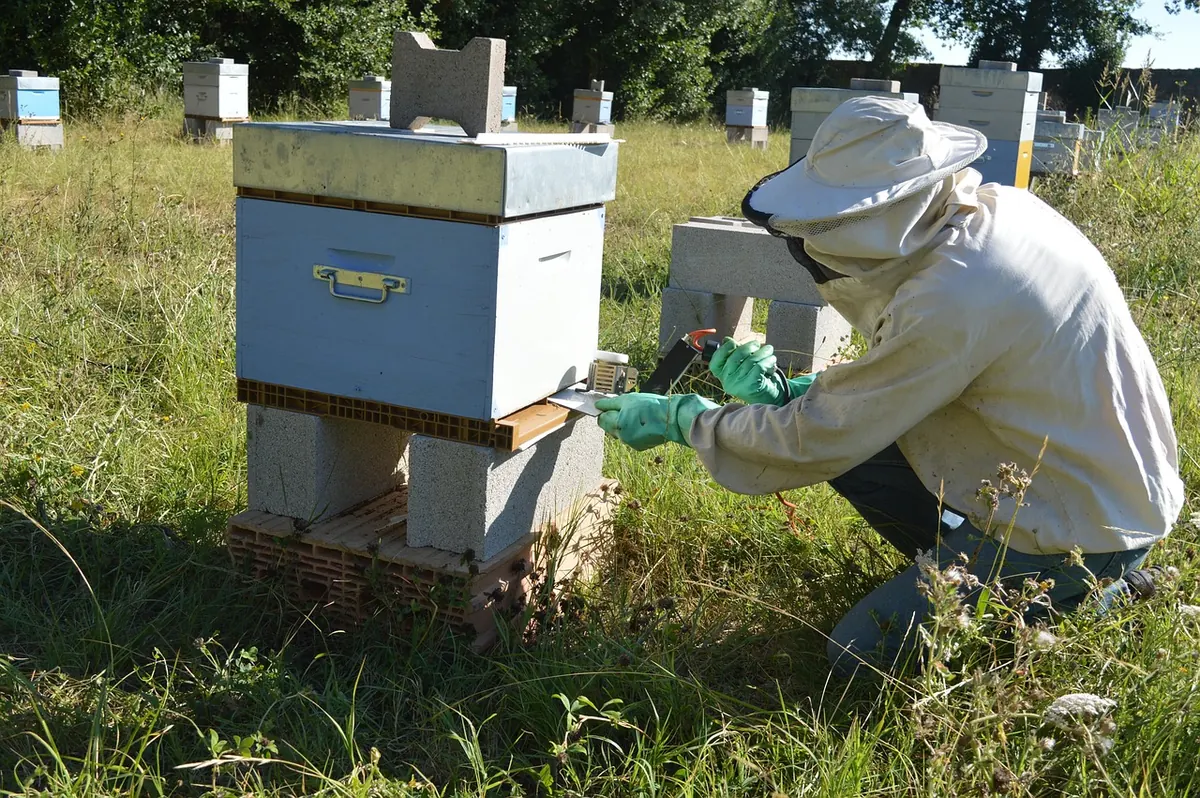
Spring in Scotland does not so much arrive as negotiate. One afternoon the bees are working willow and gorse in warm sunshine; the next, a haar rolls in off the Forth and the entrances fall silent again. That variability matters, because the first inspection of the year can do as much harm as good if it is rushed. Open a colony on the wrong day and you chill brood, break the cluster and set the bees back a fortnight. Get it right and you can read the story of the winter in ten minutes and plan the season from there.
What follows is written for Scottish conditions: later springs, colder nights, and colonies that often build more slowly than those south of the border. Work through the ten points in order, and treat the list as a habit rather than a rulebook.
Aim for a calm, dry day with the temperature in double figures — around 12°C is a sensible threshold, and 14°C is better. Go at midday to early afternoon, when the sun is at its highest and foragers are out. Wind is the factor most people underestimate: a cold easterly will strip warmth from an open brood nest in minutes, even on a bright day.
Before you lift the roof, stand back and watch the entrance for a minute or two. Bees flying steadily, pollen coming in, and a few corpses being carried out all tell you the colony is active and able to cope. If nothing is flying, close the car boot and come back another day. Waiting a week in April costs you very little. Opening a fortnight early can cost you a colony.
Once the frames are out, work from the outside in. The brood nest should sit in the middle of the box, ideally with pollen and stores arcing around it — the classic band of pollen between brood and honey is a good sign that the colony is building properly.
A compact pattern of sealed brood, roughly the size of a dinner plate in late March rising to several frames by May, suggests a queen doing her job well. Scattered brood with perforated cappings is different. It can mean a failing queen, but it can also mean chilled brood after a cold snap, or a brood disease. If the pattern looks wrong, look for the tell-tale signs before jumping to conclusions: sunken, greasy or perforated cappings, larvae that have changed colour, or a sour smell are all reasons to stop and seek advice rather than treat blindly.
Finding the queen in a strong spring colony is not always easy, and it is not essential. Eggs standing upright in the base of cells are the clearest evidence that she was there within the last three days. Larvae at various stages prove she has been laying steadily since.
What should worry you is the absence of eggs and young brood alongside queen cells, a polished and empty brood nest, or a scattering of drone brood in worker cells — a sign of a drone-laying worker or a spent queen. In Scotland, early-season queens can pause laying during a cold spell, so give the colony a second look a week later before you order a replacement. If you do find charged queen cells in April, treat it as a swarm risk and plan for it rather than simply knocking them down.
Spring is when colonies starve, not winter. The cluster has moved up onto stores and the brood nest is expanding, so the gap between what the bees need and what is left in the combs can close quickly — especially during a wet week when nothing flies.
On space: dummy the colony down so the bees are not heating an empty box, and take off the winter insulation only when the weather has genuinely settled. Hold back on adding supers until the brood nest is close to filling the box — an early super on a small colony is just extra volume to keep warm.
Do the varroa check first, while the colony is calm and the light is good. An uncapping check on drone brood, or a sugar roll on a sample of bees, gives you a working idea of the mite load. If numbers look high, plan treatment around what your local association recommends for your area.
Then look for the things that need reporting rather than treating. Chalkbrood is common in a damp Scottish spring and usually clears as the colony strengthens, but foulbrood is a different matter entirely. If you see sunken, discoloured cappings, larvae that rope out when tested with a stick, or a distinctly unpleasant smell, close the hive, do not move any equipment, and contact your local bee inspector or the Scottish bee health service straight away. Suspected foulbrood is not something to Google your way out of — it is notifiable, and the inspector would far rather hear from you early.
Finally, note anything unfamiliar. Unusual pests or larvae you cannot identify are worth photographing and asking about before you take action. Your local association and its bee inspectors are the fastest source of good advice, and no one minds being asked.
Before you close up, jot down the colony number, the date, the number of frames of brood, stores, temperament, and anything you did — swapped a frame, removed a dummy board, marked a queen. These notes are worth more than you think when you are standing at the same hive in three weeks wondering whether it has grown.
Then put the roof back, tighten the strap or replace the weight, and walk away. One inspection is enough in early spring. The bees know their work better than we do, and the best thing you can do in a Scottish April is give them a warm, dry, well-provisioned box and let them get on with it.
Photo: PollyDot / Pixabay